Disney: The Business Magic and Social Mirror of a Dream-Building Empire
I. From Mickey Mouse to a Global Cultural Empire: A Century of Business Legend
When we talk about Disney, we are not just talking about an entertainment company, but a cultural phenomenon that spans a century. From the whistling little mouse that appeared on screen in 1928 to today’s global media and entertainment giant with a market value of over $155 billion, Disney’s business territory has expanded into film and television, theme parks, streaming, consumer products and other sectors, forming a vast and sophisticated business ecosystem.
1. Building an IP Universe: End-to-End Monetization From Content to Experience
Disney’s business success is inseparable from its extreme focus on IP (intellectual property) operations. Through organic creation and external acquisitions, Disney now owns more than 200 top-tier IPs such as Marvel, Star Wars, Disney Princesses and Pixar, forming an unmatched content moat. These IPs are not only Disney’s core assets, but also the foundation that enables its full value-chain monetization.
Take Zootopia as an example. This animated film, released in 2016, not only generated $1.024 billion at the global box office, but also became a classic case of Disney’s IP operations. After the film’s release, Disney maximized the IP’s value by launching a themed land in its parks, toys, apparel, games, streaming series and other derivatives. According to statistics, retail sales related to Zootopia alone have exceeded $4 billion.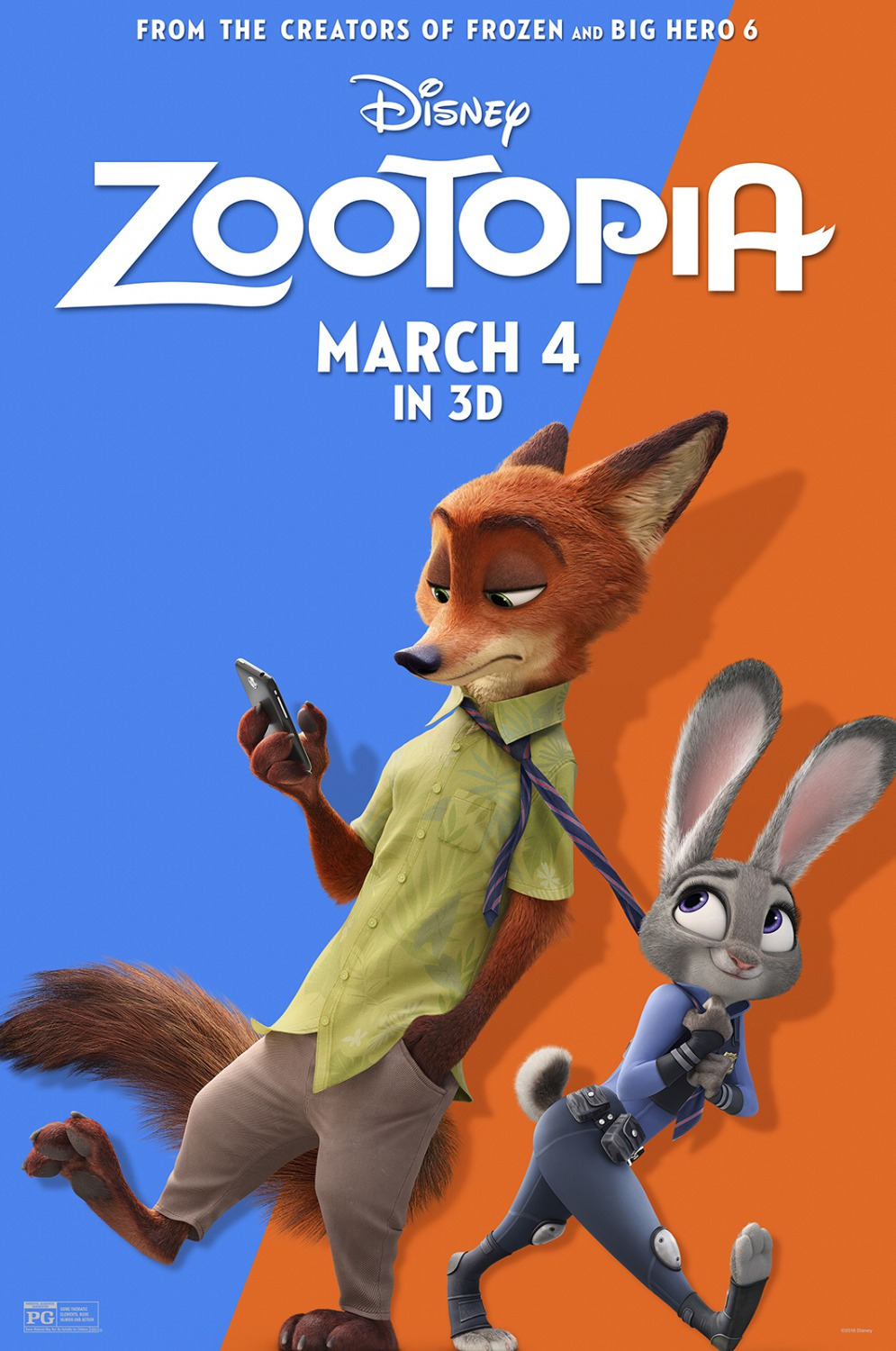
2. Streaming Transformation: From Content Platform to Ecosystem Entry Point
In the streaming era, Disney faces both tremendous challenges and opportunities. In 2020, Disney launched its own streaming platform, Disney+, and quickly gained market recognition. As of 2025, Disney+ has reached 128 million global subscribers, becoming one of the fastest-growing streaming platforms in the world.
Disney’s streaming strategy is not just about competing for users, but about building a new content ecosystem. By bringing top IPs such as Marvel, Star Wars and Disney Princesses onto Disney+, Disney not only attracts large numbers of subscribers, but also achieves cross-platform content distribution and monetization. At the same time, by collaborating with technology companies like OpenAI, Disney is applying AI technology to content creation and user experience optimization, further enhancing the platform’s competitiveness.
3. Theme Parks and Experiences: A Real-World Fairy Tale Dreamland
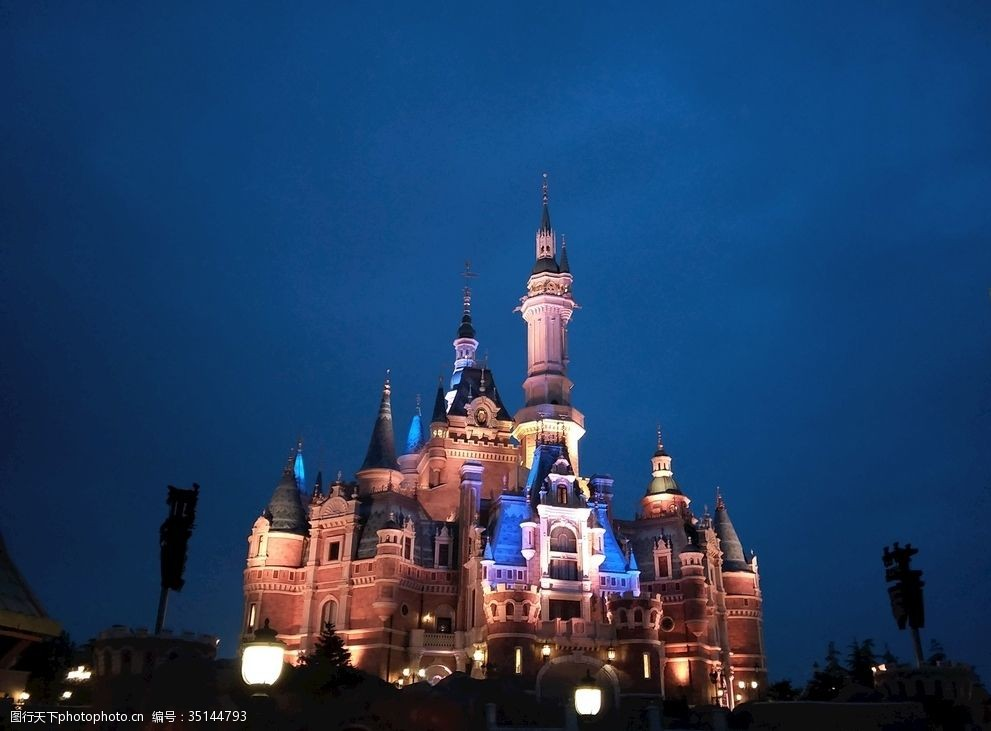
The success of Disney’s theme parks lies not only in exquisite architecture and thrilling attractions, but also in its obsessive pursuit of user experience. From cast members’ service attitudes to the intricate design details of the parks, Disney strives to create a perfect fairy tale dreamland for visitors. For example, the Zootopia-themed land at Shanghai Disney Resort, as an offline extension of the film’s box-office success, has not only attracted huge crowds but has also become a benchmark for Disney’s theme park operations.
II. Disney’s Cultural Influence: Value Transmission and Social Reflection
Disney is not only a business empire but also a cultural symbol. Through animated films, theme parks, consumer products and various other cultural outputs, Disney conveys a positive and imaginative set of values that has influenced generations of people.
1. Value Transmission: Inspirations From Fairy Tales to Reality
Disney’s animated films are not made merely to entertain audiences, but also to convey values. From Snow White to The Lion King, from Frozen to Zootopia, Disney’s animated films consistently highlight themes of justice, courage, love and dreams. These values are not only central to Disney’s brand image, but also the core of its cultural influence.
Take Zootopia as an example. Through the story of Judy the rabbit and Nick the fox, the film explores serious social issues such as prejudice, discrimination and race. Its core value—“Anyone can be anything”—has not only inspired countless viewers, but has also sparked broader social reflection on equality and inclusion.
2. Social Reflection: Disney’s Cultural Responsibility and Challenges
However, Disney’s powerful cultural influence has also triggered social reflection. As a global cultural enterprise, Disney must constantly balance commercial interests with cultural responsibility while transmitting its values.
For instance, the values conveyed in Disney’s animated films often bear a strong imprint of American culture. While this kind of cultural export can promote cultural exchange to some extent, it has also caused certain cultural frictions and controversies. In addition, the standardized, highly structured and closed operational model adopted in Disney’s theme park and consumer products businesses has been criticized by some scholars as a product of the “culture industry”, lacking sufficient respect and understanding for local cultures.
III. Disney’s Future: Innovation and Challenges Coexisting
In today’s increasingly competitive global media and entertainment market, Disney is facing both numerous challenges and new opportunities. How to maintain the core competitiveness of its IP universe while pursuing business innovation and transformation is key to Disney’s future development.
1. Technological Innovation: The Integration of AI and the Metaverse
As AI technology continues to advance, Disney has also begun applying AI to content creation and user experience optimization. For example, through its collaboration with OpenAI, Disney has connected IPs such as Marvel and Star Wars to platforms like Sora and ChatGPT, enabling lower-cost content production and innovative user interaction.
At the same time, the metaverse presents new development opportunities for Disney. By leveraging metaverse technologies, Disney can create even more immersive fairy tale worlds and achieve an integrated online-offline experience. For instance, Disney could build virtual theme parks in the metaverse, allowing users to experience Disney’s fairy tale dreamland in a purely digital environment.
2. Balancing Globalization and Localization
Against the backdrop of globalization, Disney also needs to achieve localized innovation and growth while maintaining its global brand image. For example, Shanghai Disney Resort features the “Garden of the Twelve Friends”, which uses Disney characters to interpret the Chinese zodiac, achieving a successful fusion and innovation of cultures.
Moreover, Disney must pay close attention to cultural differences and user needs in different markets, and launch cultural products and services that match local markets. For instance, Disney’s Indian-market version of Aladdin integrates Indian cultural elements into the film and has been warmly received and loved by local audiences.
3. Sustainable Development: Environmental and Social Responsibility
In the global wave of sustainable development, Disney also needs to shoulder corresponding environmental and social responsibilities. For example, Disney has adopted various environmental measures in its theme parks—such as renewable energy, water resource management and waste recycling—to reduce its environmental impact.
In addition, Disney has made positive contributions to society through its charitable foundations and social responsibility programs. For example, through the “Disney Dream Fund”, Disney provides support to children around the world in education, healthcare and cultural development.
IV. Conclusion: Disney’s Business Magic and Social Value
As a global media and entertainment giant, Disney’s business success and cultural influence are beyond doubt. Through extreme IP operations, streaming transformation and the expansion of its theme park business, Disney has built a vast and sophisticated business ecosystem. At the same time, Disney has conveyed positive values through its cultural products, influencing generations of people.
Yet Disney also faces many challenges and opportunities. In its future development, Disney needs to maintain the core competitiveness of its IP universe while driving business innovation and transformation, balancing globalization with localization, and assuming appropriate environmental and social responsibilities. Only in this way can Disney maintain its leading position in the global media and entertainment market and continue to create a fairy tale world full of imagination for users.